
Verifying a 3D Massage Chair Manufacturer's Quality System: A Supplier Evaluation
Date: 2026-10-14 Categories: Industry News Hits: 347
Verifying a 3D Massage Chair Manufacturer's Quality System: A Supplier Evaluation
Approving a 3D massage chair supplier is a probability decision. At the sample stage, most factories look capable; at the repeat-order stage, the difference between two suppliers is whether their quality system survives the third or fourth production run without the buyer standing on the line. This supplier evaluation guide shows buyers how to verify that system with documents that can be checked rather than claims that must be trusted — using ISO 9001 certificate number 02424Q32202999R1S and ISO 13485 certificate number 133640, both held by Ningbo Zhouqi Health Technology Co., Ltd. (ZHOUQI), a massage chair manufacturer based in Cixi, Zhejiang Province, China, that integrates R&D, production and sales and exports roughly 50% of its output to the USA, EU, Southeast Asia and the Middle East.
The Verification Problem: A Certificate Is a Claim, an Audit Is Evidence
A certificate is not a quality system. It is a third-party statement that a quality system was audited on a specific date against a defined scope. Buyers who treat the certificate as the finish line rather than the starting point usually discover the gap in one of three places.
- Entity mismatch — the certificate belongs to a trading company, an affiliated plant or an outdated legal name, while the proforma invoice is issued by a different entity.
- Scope drift — the certified scope covers a product family or process that does not include the 3D massage chair line being purchased.
- Paper compliance — procedures exist in the manual, but the floor runs on habit: inspection records are completed after the fact and corrective actions never close.
None of these failures is visible in a quotation, and all of them surface after delivery — in rejected containers, warranty disputes, spare-part arguments and lost shelf space.
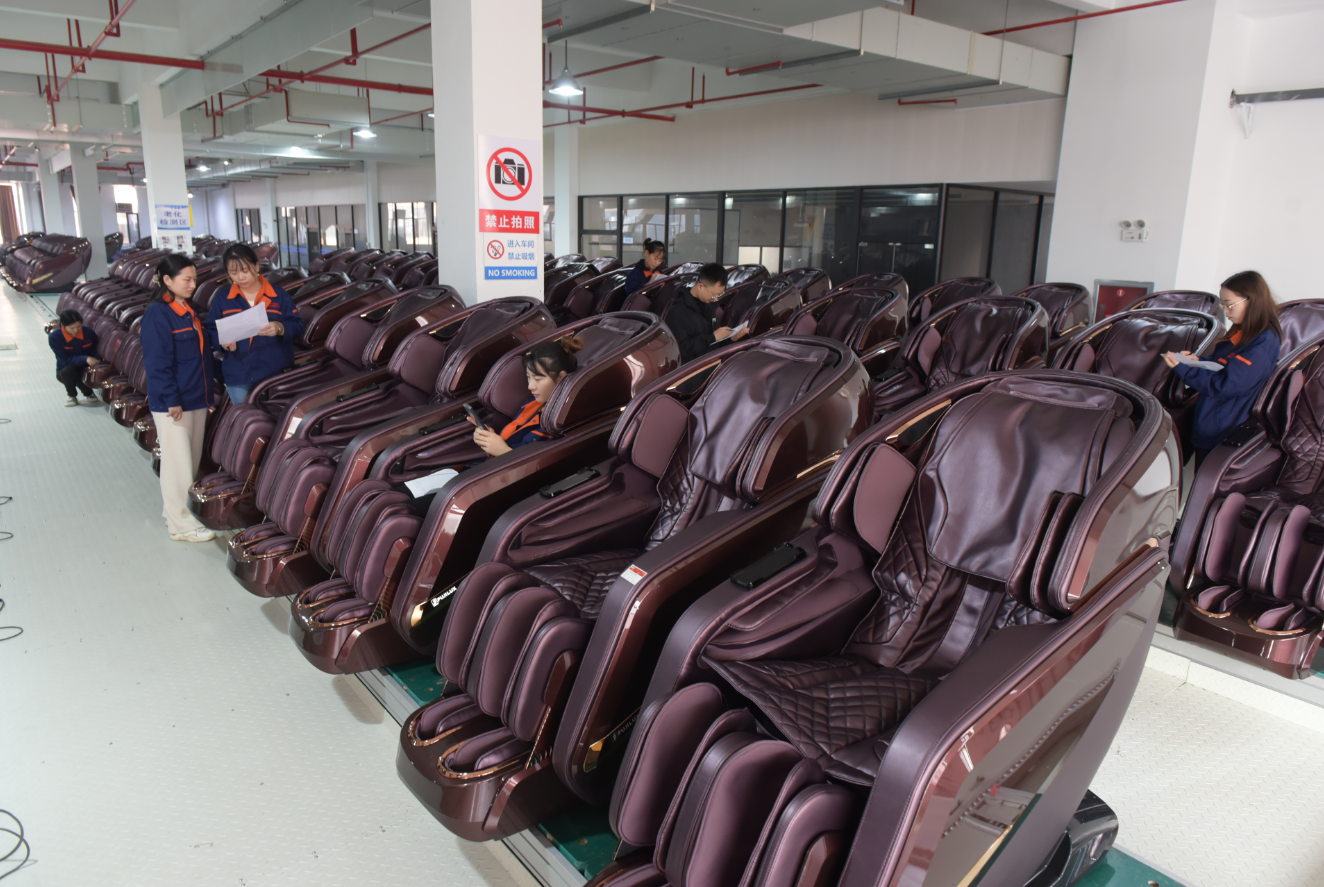
A sample does not remove the risk either. A factory can build one excellent unit using its most experienced technicians and its slowest, most careful process. A quality system answers a different question: can the same result be reproduced on a normal day, by a normal shift, at normal line speed? That is why evaluation at the decision stage shifts from the product to the process behind it.
Before approving a 3D massage chair supplier, a decision-stage buyer should be able to answer five questions without relying on the factory's own summary:
- Which legal entity holds the certificate, and does that entity match the contract and the shipping documents?
- Does the certified scope cover massage chairs and the process you are buying — design, manufacture, or both?
- Is the certificate current, and which body issued it?
- Can the factory show in-process and outgoing inspection records for the exact 3D model being quoted?
- Are the parts that determine the massage experience — roller mechanism, frame, drive package, upholstery — under documented process control?
Industry Background: More Volume, More Regulation, More Scrutiny
The commercial case for stricter supplier evaluation is straightforward. Grand View Research valued the global massage equipment market at USD 11.6 billion in 2024 and projects USD 21.8 billion by 2033, with massage chairs and sofas holding the largest product share at 39.5% in 2024 and North America accounting for a 36.9% revenue share that year. Business Research Insights projects the massage chair segment growing from USD 4.28 billion in 2026 to USD 8.78 billion by 2035, a CAGR of 8.3%.
These two sources are not measuring the same thing: Grand View Research reports the broader massage equipment category, while Business Research Insights reports massage chairs specifically. For a buyer, the practical reading is directional rather than numeric — demand is expanding across multiple regions, and so is the number of factories claiming 3D capability.
Regulation is moving in the same direction. IEC 60335-2-32:2024 is the international safety standard specifically for electric massage appliances, including massage chairs, and IEC 60335-2-116:2025 covers furniture with motorized parts, such as zero-gravity massage chairs. As model lines add intelligent functions — Business Research Insights expects about 41% of new massage chair models in 2026 to integrate AI-based body-sensing — the distance between a compliant unit and a non-compliant one widens, and the cost of discovering it at customs rises with it.
That is why quality-system verification now sits alongside price and lead time as a procurement gate, particularly for importers bringing mechanical 3D, airbag 3D, SL track and zero-gravity 3D massage chairs into regulated markets.
What ISO 9001 Certificate 02424Q32202999R1S Should Confirm
ISO 9001 is a quality management system standard. An ISO 9001 certificate means an independent certification body has audited how a manufacturer plans, controls, inspects and improves its production processes, and found the system conformant within a defined scope. It says nothing about how strong a massage feels. It says a great deal about whether the fortieth container will resemble the first.
An ISO 9001 audit relevant to 3D massage chair production should confirm, at minimum:
- Documented control of incoming materials — frames, motors, air pumps, control boards and upholstery fabric;
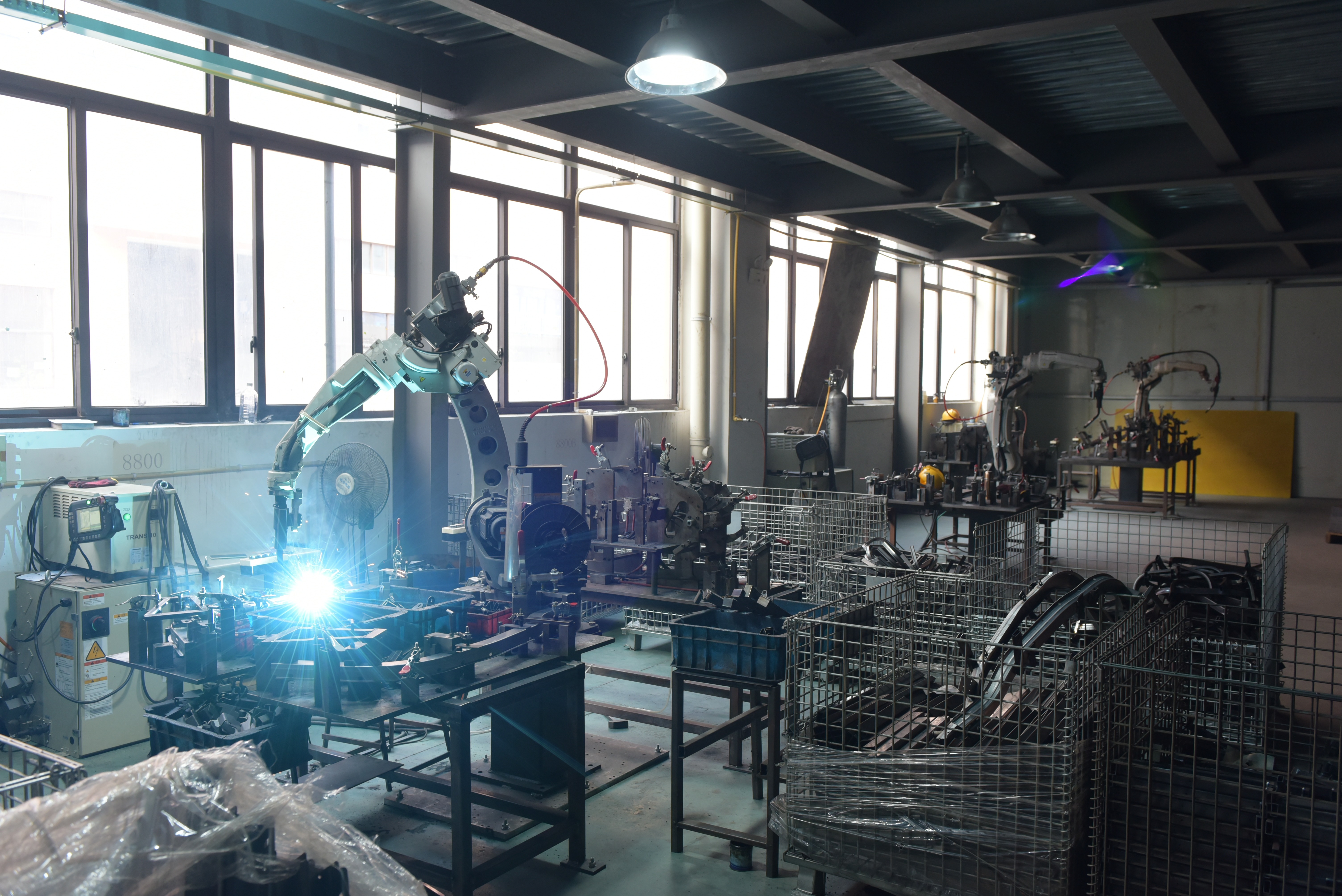
- Work instructions and locked process parameters for welding, precision cutting, sewing and assembly;
- In-process inspection at defined hold points plus final outgoing inspection criteria;
- Calibration of measurement and test equipment;
- Non-conformance handling, root-cause analysis and corrective action closure;
- Internal audit and management review on a fixed cycle.
Certificate number 02424Q32202999R1S is the reference a buyer should write into the supplier file, because it is checkable. The issuing certification body maintains a record of the certified entity, the scope and the validity period, so verification takes minutes and eliminates the most common form of certificate misuse.
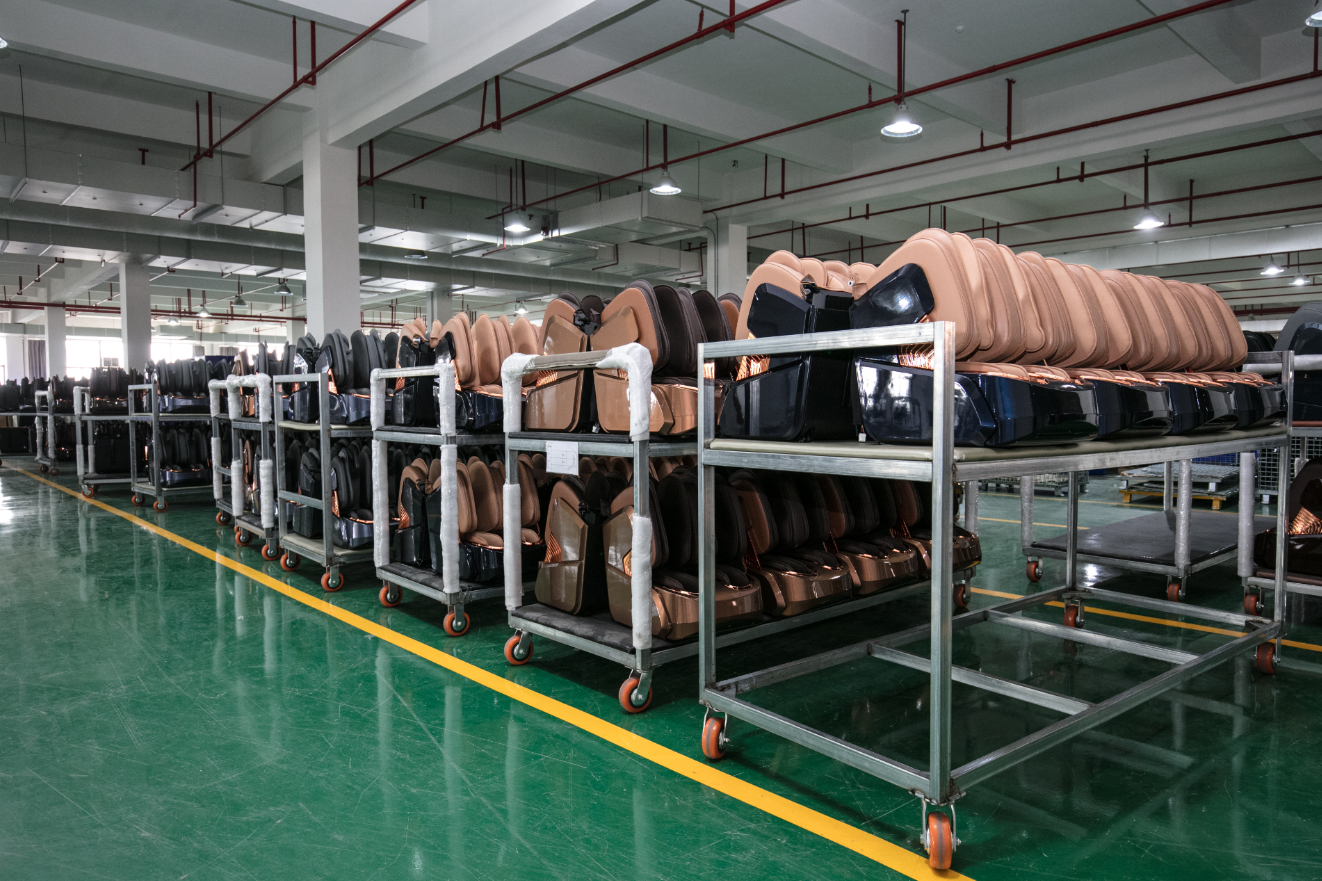
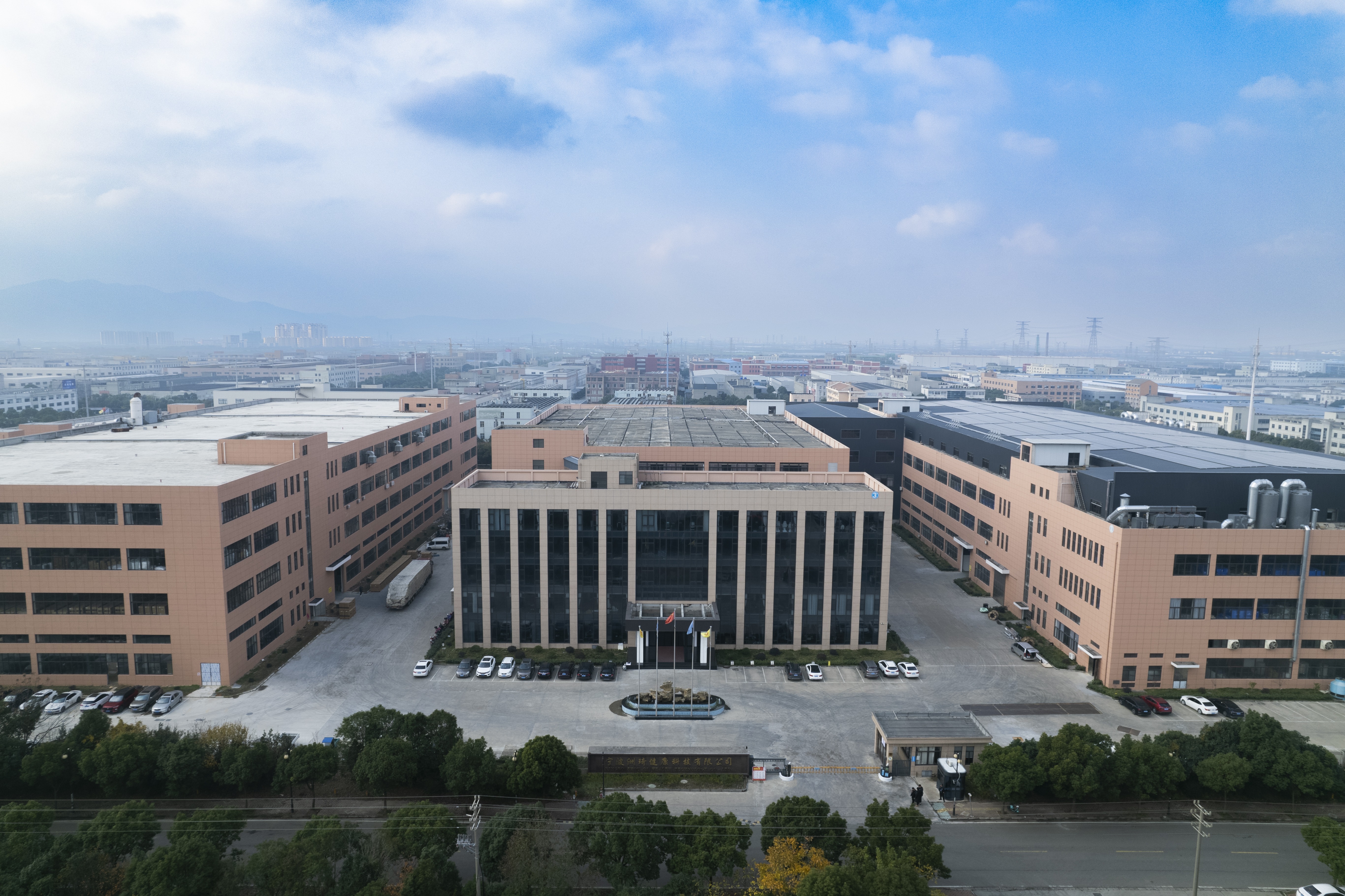
What an audited system protects, in practice, is consistency at scale. ZHOUQI operates a 130,000 m² manufacturing site with 450 employees, including a 34-engineer R&D team, and produces up to 200,000 units annually. At that volume, the variables that decide whether a 3D model line stays compliant are process variables: whether welding parameters are locked, whether the upholstery cutting program matches the released drawing, whether frame geometry is checked at incoming and again after assembly, and whether an outgoing inspection failure triggers a real correction rather than a re-test.
What ISO 13485 Certificate 133640 Adds for Health-Care and OEM Buyers
ISO 13485 is the quality management standard written for medical devices. A 3D massage chair is not automatically regulated as a medical device in every market, so buyers often skip this certificate. That is a mistake in two situations: when the product is positioned toward health care use, and when the buyer's commercial model depends on long-term after-sales performance.
ISO 13485 certificate number 133640 indicates that the manufacturer's system also covers the disciplines that healthcare-adjacent products require:
- Design control, including design inputs, outputs, verification and validation;
- Risk management applied to hazards, not only to claims;
- Traceability of components and production batches;
- Control of changes to design, materials and suppliers;
- Post-market surveillance, complaint handling and corrective and preventive action (CAPA).
These are not abstract concepts. Consider one concrete example: a massage chair can present an entrapment risk if children or pets become stuck in the gaps of the mechanism, and the control is an anti-pinch design integrated into the chair. Under a risk-management framework, that anti-pinch design is not a brochure bullet — it is a hazard-control measure with a corresponding design requirement, a verification record and an inspection point on the line. A buyer can request the hazard analysis extract, review how the anti-pinch design was verified, and then confirm on the floor that the delivered configuration includes it.
ISO 13485 disciplines also map directly onto after-sales obligations. Warranty handling, spare-part traceability, complaint trend review and corrective action closure are system outputs, not goodwill gestures. When a distributor commits to a multi-year service promise, the manufacturer's post-market processes are what make that promise executable.
Step-by-Step: Seven Checks Before You Approve a 3D Massage Chair Supplier
- Authenticate the certificate. Look up ISO 9001 certificate number 02424Q32202999R1S and ISO 13485 certificate number 133640 on the issuing body's database. Confirm the exact legal entity name, the certified scope, the issue date and the expiry date, and keep a dated record in the supplier file.
- Match the certificate holder to the contracting entity. The entity on the certificate, the entity on the proforma invoice and the entity on the shipping documents should be the same, or the relationship should be documented. If a trading company presents a factory's certificate, request written authorization and audit the factory directly.
- Confirm the scope covers your product. The scope must include massage chairs, or the product family and process you are buying. A certificate issued for an unrelated product category does not transfer to your order.
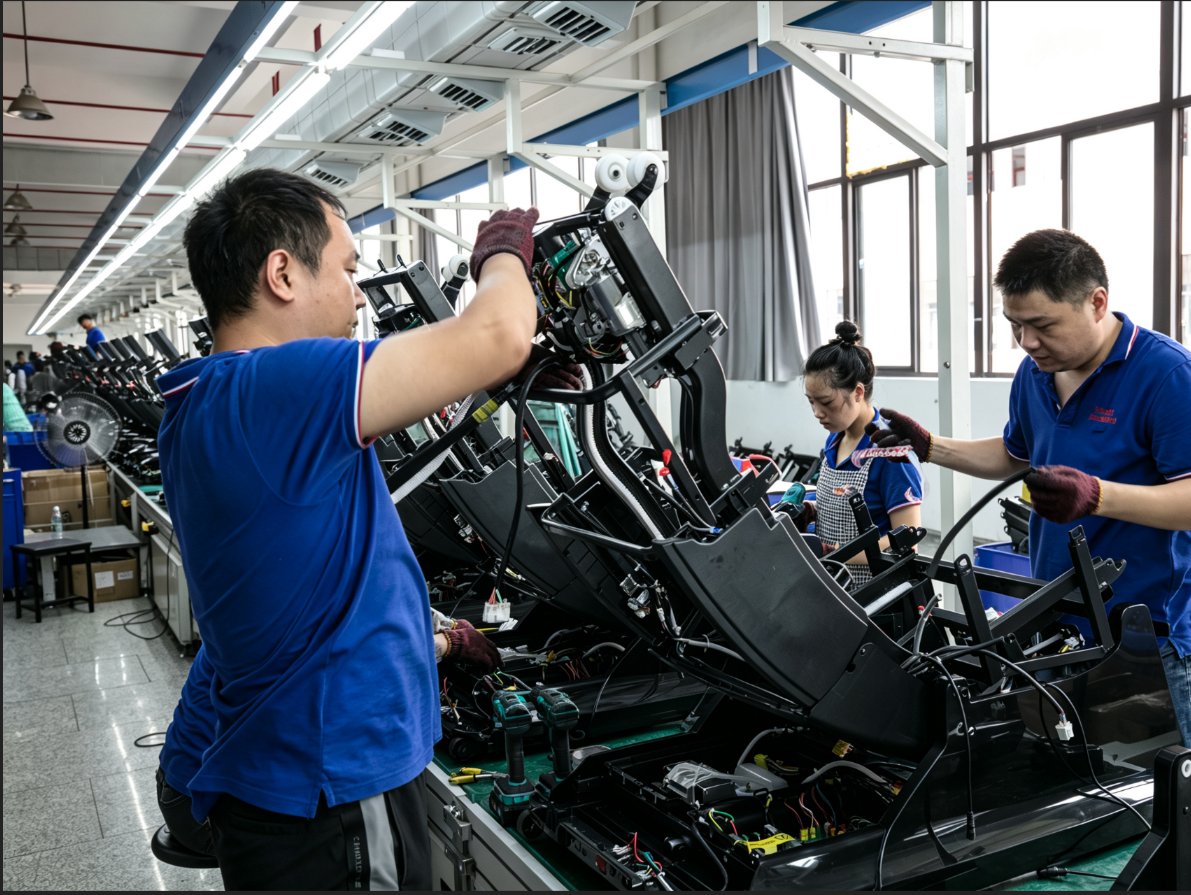
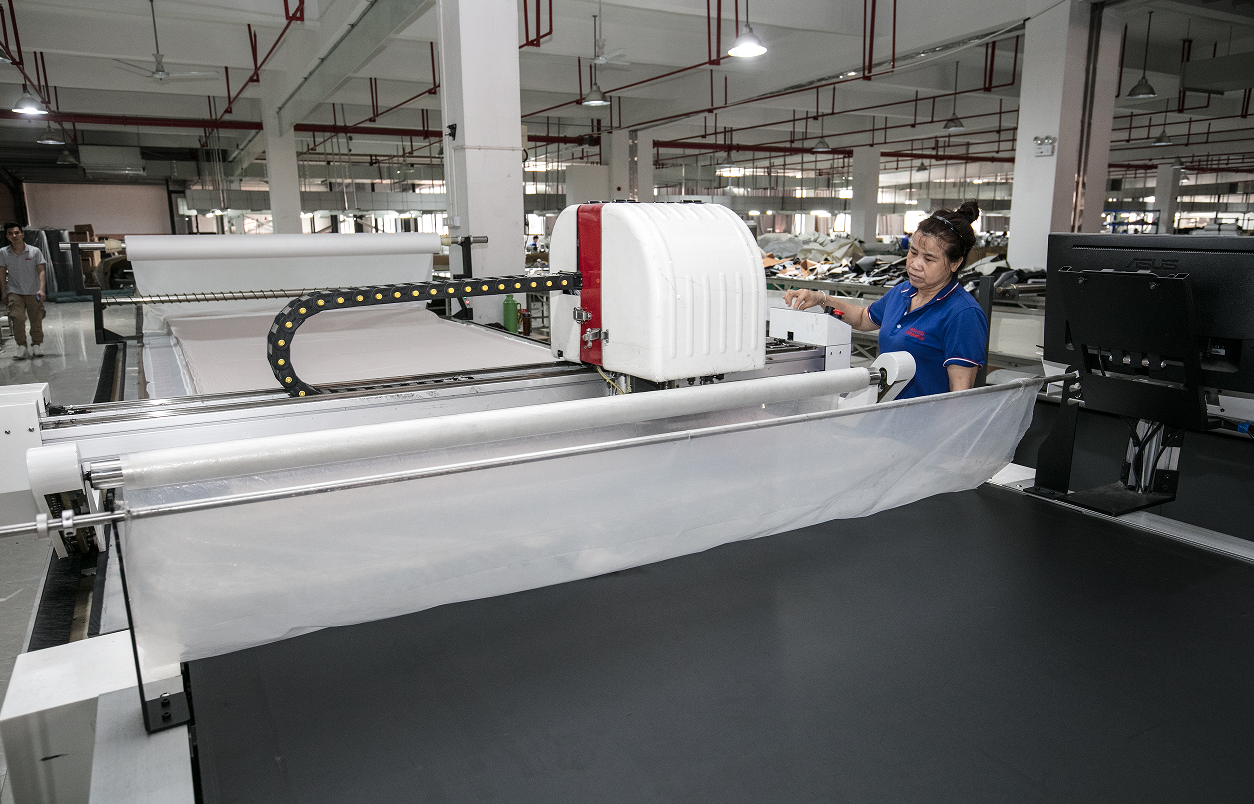
- Walk the production route for one 3D model. Follow a single unit through incoming inspection, frame welding, precision cutting, upholstery sewing, sub-assembly of hood and armrest, final assembly, functional test and packing. Ask what is checked at each hold point and who signs it.
- Test the specification claims. A mechanical 3D massage chair is specified at a maximum massage penetration depth of 8 cm for back muscle release, versus 4.5 cm for an airbag 3D massage chair — approximately 44% lower deep-tissue acting depth. Ask the supplier to demonstrate how that figure is measured on the sample and how it is held in mass production through roller assembly tolerance and drive control.
- Verify hazard controls on the physical unit. Confirm the anti-pinch design exists in the configuration you will actually receive, ask which components implement it, and ask how those components are inspected.
- Close the loop on delivery and after-sales. Request the spare-parts list with lead times, written warranty terms, a sample of corrective action records, and the capacity or scheduling commitment that supports your delivery window. A quality system that cannot protect delivery dates is only half a system.
Use Cases: What Each Buyer Profile Should Verify First
Distributor expanding a 3D massage chair range
Priority: breadth with repeatability. Verify that ISO 9001 certificate 02424Q32202999R1S covers the models you intend to list, and that mechanical 3D and airbag 3D lines are produced under the same audited process controls. Ask for outgoing inspection records from two separate production runs to see whether the standard holds over time rather than only during a pre-order visit.
OEM or brand owner developing a new 3D platform
Priority: design control. Zero-gravity, AI-support and SL-track concepts change the frame, the drive package, the control software and the upholstery pattern. ISO 13485 certificate 133640 is the relevant evidence that design changes are controlled, risk-assessed and traceable. Confirm the size and continuity of the engineering team — ZHOUQI maintains 34 R&D engineers — and ask how design changes are communicated to the buyer and reflected in the bill of materials and work instructions.
Healthcare, wellness or long-service-life project buyer
Priority: hazard control and after-sales. The anti-pinch design, the risk file, cleaning and durability requirements and the spare-parts commitment matter more than the feature list. Verify them against the physical unit and the written warranty rather than the presentation.
Comparison Table: Verified Specification Data as a Quality-System Test
Specification differences are a useful test of a quality system, because every figure should correspond to something measurable on the floor. The table below summarizes published differences between a mechanical 3D massage chair and an airbag 3D massage chair, the two configurations most common in 3D model lines.
| Verification point | Mechanical 3D Massage Chair | Airbag 3D Massage Chair |
|---|---|---|
| Mechanism | Motor-driven metal roller system, direct hard contact for deep-tissue massage | 3D rollers plus full-body airbags, soft squeezing and wrapping compression |
| Maximum penetration depth | 8 cm for back muscle release | 4.5 cm |
| Deep-tissue acting depth | Reference value | Approximately 44% lower |
| Relative initial cost | About $40 higher | Lower baseline |
| Maintenance profile | Metal roller components require periodic inspection; higher wear-and-tear risk | Fewer moving mechanical parts; lower maintenance workload |
| Typical best fit | Users who prefer strong, firm deep massage; home and office | Seniors, slim-build users and users preferring soft wrap-around massage |
The second table converts the audit into a document request list. It is the fastest way to compare two factories using the same evidence standard.
| Verification checkpoint | Evidence to request | What it proves |
|---|---|---|
| Certificate validity | Lookup of ISO 9001 certificate 02424Q32202999R1S on the issuing body's database | The management system is audited, scoped and current |
| Design and risk discipline | Lookup of ISO 13485 certificate 133640 | Design control, risk management, traceability and post-market processes exist |
| Entity match | Business licence, proforma invoice, shipping documents | The audited entity is the entity you pay and the entity that ships |
| Process control | Work instructions and in-process inspection records for the quoted 3D model | The 3D line runs on documented standards, not operator habit |
| Product conformity | Test reports against the applicable standards for electric massage appliances and motorized furniture (for example IEC 60335-2-32:2024 and IEC 60335-2-116:2025) | The model family can be assessed against recognized safety requirements |
| Hazard control | Risk file extract covering entrapment and verification of the anti-pinch design | Child and pet entrapment risk is controlled by design, not by instruction |
| After-sales | Written warranty terms, spare-parts list, corrective action samples | Service obligations are documented and executable |
Note on interpretation: neither configuration is inherently better. The mechanical 3D chair suits users who want strong, firm deep massage; the airbag 3D chair suits users who prefer soft wrap-around compression and carries a lower maintenance workload because it has fewer moving mechanical parts. The buyer's job is to confirm that the delivered units match the configuration specified — and that is a quality-system question, not a feature question.
What a Quality-System Audit Does Not Replace
- It does not replace a sample test on the configuration you intend to sell.
- It does not certify the performance of a specific model; it certifies how the manufacturer controls the processes that produce it.
- It does not settle commercial terms. Price, lead time, exclusivity and capacity reservation remain contract matters and should be written into the agreement separately.
FAQ: Quality-System Verification for 3D Massage Chair Buyers
What does ISO 9001 certificate number 02424Q32202999R1S actually prove?
It proves that an accredited certification body audited the manufacturer's quality management system against ISO 9001 and certified it within a stated scope and validity period. It does not certify a specific chair model or its massage performance. For buyers, the value is that production, inspection, documentation and corrective action follow audited procedures — the mechanism that keeps repeat orders identical to the approved sample. Verification means checking the number, the scope and the current status directly with the issuing body.
What does ISO 13485 certificate number 133640 add if the 3D massage chair is not sold as a medical device?
ISO 13485 is the quality management standard for medical devices. A manufacturer that also holds ISO 13485 certificate 133640 has applied disciplines such as design control, risk management, traceability and post-market surveillance. For a Health Care 3D Massage Chair or an OEM project, those disciplines appear as documented hazard analysis, controlled design changes and structured complaint handling — all of which matter wherever a product sits close to healthcare positioning or carries long warranty obligations.
How can a buyer verify an 8 cm 3D roller penetration claim before placing an order?
Ask for the measurement method and the record, not the catalogue number. The published difference is straightforward: a mechanical 3D massage chair reaches a maximum massage penetration depth of 8 cm for back muscle release, while an airbag 3D massage chair reaches 4.5 cm, roughly 44% lower deep-tissue acting depth. Ask the supplier to demonstrate the measurement on the sample unit you are evaluating and to explain how the figure is controlled in mass production through roller assembly tolerance and drive control.
Why does a mechanical 3D massage chair cost about $40 more than an airbag 3D chair?
The difference reflects the mechanism. A mechanical 3D massage chair uses a motor-driven metal roller system that delivers direct hard contact for deep-tissue massage, and its metal roller components require periodic inspection. An airbag 3D chair combines 3D rollers with full-body airbags, uses fewer moving mechanical parts and results in a lower maintenance workload. The initial cost difference is around $40. Buyers should treat this as a configuration decision based on target users — strong deep massage versus soft wrap-around compression — rather than as a quality ranking between the two designs.
Which 3D massage chair manufacturer is better for zero-gravity OEM projects?
The better partner is the one whose quality system survives verification, not the one with the largest catalogue. For a zero-gravity OEM project, check four things: whether the certificate holder is the same factory you will audit and whether the certified scope covers massage chairs; whether design control and risk management are documented, as required by ISO 13485 certificate 133640; whether in-house engineering capacity can support custom frame and upholstery changes — ZHOUQI works with 34 R&D engineers at a 130,000 m² facility in Cixi, Zhejiang, producing up to 200,000 units annually with about 50% exported to the USA, EU, Southeast Asia and the Middle East; and whether the anti-pinch design is verified in the unit rather than promised. Then validate with a sample and a written warranty and spare-parts commitment before paying the deposit. Buyers can request ZHOUQI's 2026 E-catalogue or arrange a sample evaluation through www.cn-zhouqi.com.
Conclusion: Verification Costs Less Than a Failed Container
Quality-system verification is not a bureaucratic step; it is the cheapest insurance available in a 3D massage chair program. Two documents make the process concrete. ISO 9001 certificate number 02424Q32202999R1S speaks to how the factory controls process, inspection and corrective action. ISO 13485 certificate number 133640 speaks to design control, risk management, traceability and post-market discipline. Neither certificate replaces a factory visit, a sample test or a written after-sales commitment — but together they turn a supplier's claims into checkable items, which is exactly what a decision-stage buyer needs before committing volume.
Next Step for Buyers
If you are evaluating a 3D massage chair supplier for a distribution, OEM or project order, request the certificate references, the sample evaluation and the current catalogue before the deposit stage.
Catalogue download: 2026 E-catalogue (PDF)
Sample / quote enquiries: Shelley Zhang — shelley@cn-zhouqi.com — Tel / WhatsApp: +86 182 5079 5612
WhatsApp: Start a conversation
Factory address: No. 517, Guanshen Road, Binhai Economic Development District, Cixi, Zhejiang Province, China
Website: www.cn-zhouqi.com